Loyalty marketing is one of the most powerful strategies businesses can use to grow sustainably. Instead of focusing only on attracting new customers, loyalty marketing helps brands keep existing customers engaged, satisfied, and coming back for more. In today’s competitive market, where consumers have endless choices, building loyalty can be the difference between short-term sales and long-term success.
This guide explains what loyalty marketing is, why it matters, and how businesses can create effective loyalty strategies that drive repeat purchases and brand advocacy.
What Is Loyalty Marketing?
Loyalty marketing is a strategy focused on encouraging customers to continue doing business with a brand. It rewards repeat behavior, builds emotional connections, and creates positive experiences that make customers choose your business again and again.
Instead of one-time transactions, loyalty marketing emphasizes long-term relationships. These relationships are built through rewards, personalized experiences, trust, and consistent value.
Common examples include:
- Points-based rewards programs
- VIP memberships
- Referral incentives
- Personalized offers
- Exclusive access to products or services
At its core, loyalty marketing answers one key question: Why should customers stay with your brand instead of switching to a competitor?
Why Loyalty Marketing Matters for Businesses
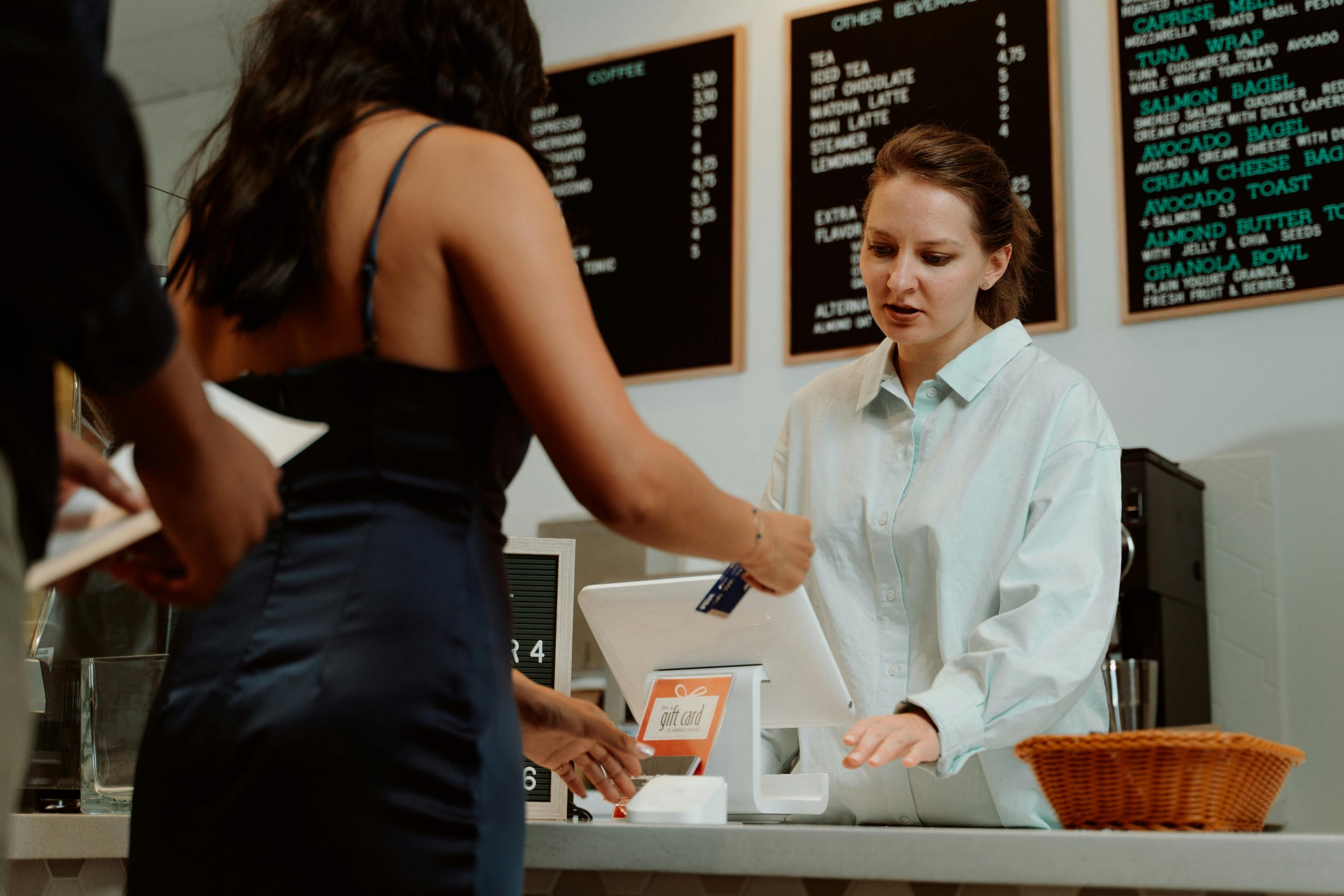
Loyal customers are more valuable than new ones. Studies consistently show that repeat customers spend more and are easier to convert than first-time buyers.
Here’s why loyalty marketing is so important:
Lower Customer Acquisition Costs
Attracting new customers often requires expensive ads, promotions, and outreach. Retaining existing customers costs far less and delivers higher returns.
Higher Lifetime Value
Loyal customers tend to:
- Spend more over time
- Buy more frequently
- Try new products more willingly
Stronger Brand Trust
Customers who feel valued are more likely to trust your brand. Trust leads to long-term relationships and positive word-of-mouth.
Increased Referrals
Happy, loyal customers naturally recommend your business to friends, family, and colleagues, creating free and authentic marketing.
The Psychology Behind Customer Loyalty
Understanding why customers stay loyal helps businesses design better marketing strategies.
Emotional Connection
Customers often stay loyal because they feel connected to a brand. This could come from:
- Shared values
- Great customer service
- Consistent positive experiences
Habit and Convenience
When a brand makes purchasing easy and reliable, customers are less likely to switch. Simple checkout processes, saved preferences, and reliable service all build loyalty.
Rewards and Recognition
People enjoy being rewarded for their actions. Even small incentives can motivate repeat behavior and create a sense of appreciation.
Types of Loyalty Marketing Programs
There is no one-size-fits-all approach to loyalty marketing. The most effective loyalty program depends on your business type, customer behavior, and long-term goals. Some programs focus on frequent purchases, while others reward engagement, referrals, or premium commitment. Below are the most common types of loyalty marketing programs and how they work.
Points-Based Loyalty Programs
Points-based loyalty programs are one of the most popular and widely used models. Customers earn points every time they make a purchase or complete specific actions, such as signing up for an email list, leaving a review, or following the brand on social media. These points can later be redeemed for discounts, free products, or special perks.
This type of program is easy for customers to understand and encourages repeat purchases over time. The more customers buy or engage, the more rewards they earn, which keeps them coming back.
Key advantages include:
- Simple structure that’s easy to explain
- Encourages frequent purchases
- Works well with digital tracking and apps
Best for: Retail stores, e-commerce brands, restaurants, coffee shops, and hospitality businesses
Tiered Loyalty Programs
Tiered loyalty programs reward customers based on their level of engagement or spending. As customers move up through tiers, they unlock better rewards, exclusive perks, or VIP treatment. Common tier names include Silver, Gold, and Platinum.
This structure motivates customers to spend more to reach the next level and maintain their status. It also creates a sense of exclusivity, which strengthens emotional loyalty.
Benefits include:
- Encouraging higher spending
- Making customers feel recognized and valued
- Increasing long-term engagement
- Rewarding top customers without discounting for everyone
Tiered programs are especially effective for businesses with loyal repeat buyers and higher average order values.
Paid Membership Programs
Paid loyalty programs require customers to pay a fee to access special benefits. In return, members receive ongoing value, such as free shipping, exclusive discounts, early access to products, or premium services.
Because customers invest money upfront, they are more likely to stay engaged and continue buying to maximize their membership benefits. These programs also create predictable revenue for businesses.
Common features include:
- Members-only pricing or products
- Faster shipping or priority service
- Exclusive content or experiences
Best for: Subscription-based businesses, premium brands, and companies with strong brand trust
Referral Programs
Referral programs reward customers for bringing in new customers. When someone makes a purchase using a referral link or code, both the referrer and the new customer often receive a reward.
This approach turns loyal customers into brand advocates and helps businesses grow through word-of-mouth marketing. Since people trust recommendations from friends and family, referral programs often lead to high-quality leads.
Popular referral rewards include:
- Store credit or discounts
- Cash rewards
- Free products or upgrades
Referral programs are cost-effective and work best when paired with an existing loyalty strategy.
Cashback Programs
Cashback loyalty programs give customers a percentage of their purchase back as store credit or cash. This model offers a clear and immediate benefit, making it highly appealing to value-driven shoppers.
Customers often feel more motivated to return when they know they have money waiting to be used on their next purchase. Cashback rewards also feel more flexible than traditional points.
Why cashback works well:
- Easy for customers to understand
- Creates strong incentives for repeat purchases
- Builds trust through transparent rewards
Cashback programs are commonly used in financial services, online marketplaces, and retail businesses.
Key Elements of an Effective Loyalty Marketing Strategy

A successful loyalty program goes beyond discounts. It focuses on customer experience, relevance, and long-term value.
Clear Value Proposition
Customers should immediately understand:
- What they earn
- How they earn it
- Why it’s worth joining
If the program feels confusing or unrewarding, participation will drop.
Simplicity
Easy-to-understand programs perform better. Complicated rules or unclear rewards reduce engagement.
Personalization
Personalized rewards feel more meaningful than generic ones. Use customer data to tailor offers based on:
- Purchase history
- Preferences
- Location
- Behavior
Consistent Communication
Regular updates keep customers engaged. Use email, SMS, or app notifications to:
- Share reward balances
- Promote exclusive offers
- Celebrate milestones
Using Data to Improve Loyalty Marketing
Data plays a major role in modern loyalty marketing. Businesses that track and analyze customer behavior can create smarter, more effective programs.
Important Metrics to Track
- Repeat purchase rate
- Customer lifetime value
- Redemption rates
- Engagement levels
- Churn rate
How Data Improves Loyalty Programs
- Identifies top customers
- Helps personalize offers
- Reveals what rewards work best
- Highlights areas for improvement
Data-driven loyalty strategies are more relevant and more profitable.
Digital Loyalty Marketing Tools
Technology has transformed how loyalty programs operate. Many businesses now rely on digital platforms to manage and scale their programs.
Loyalty Apps
Mobile apps make it easy for customers to track rewards, receive offers, and engage with your brand.
CRM Systems
Customer relationship management tools help store and analyze customer data for personalization and segmentation.
Email and SMS Automation
Automated messages keep customers engaged without manual effort, delivering timely and relevant rewards.
E-Commerce Integrations
Online stores can seamlessly integrate loyalty features at checkout, increasing participation and visibility.
Loyalty Marketing Across Different Industries
Loyalty marketing works across nearly every industry, but strategies vary based on customer behavior.
Retail and E-Commerce
Focus on repeat purchases, exclusive deals, and early access to sales.
Restaurants and Cafes
Reward frequency with free items, discounts, or VIP perks.
Service-Based Businesses
Offer loyalty rewards through referrals, bundled services, or priority booking.
B2B Businesses
Loyalty programs may focus on long-term contracts, volume discounts, or dedicated account support.
Common Loyalty Marketing Mistakes to Avoid
Even well-intentioned loyalty programs can fail if not designed properly.
Overcomplicating Rewards
If customers can’t easily understand how to earn or redeem rewards, they won’t participate.
Ignoring Customer Feedback
Listening to customers helps refine and improve loyalty programs over time.
Focusing Only on Discounts
Discounts alone don’t build loyalty. Emotional connection, trust, and experience matter just as much.
Failing to Promote the Program
Even the best loyalty program won’t succeed if customers don’t know it exists.
Measuring the Success of Loyalty Marketing
Tracking performance ensures your loyalty strategy delivers real business value.
Key Success Indicators
- Increased repeat purchases
- Higher average order value
- Improved customer retention
- Growth in referrals
Continuous Optimization
Loyalty marketing is not “set and forget.” Regular testing, updates, and customer feedback help keep programs effective and relevant.
The Future of Loyalty Marketing
Loyalty marketing continues to evolve as customer expectations change.
Trends to Watch
- AI-driven personalization
- Omnichannel loyalty experiences
- Values-based rewards (sustainability, social impact)
- Gamification and interactive engagement
Brands that adapt to these trends will build deeper, more meaningful customer relationships.
Final Thoughts
Loyalty marketing is about more than rewards—it’s about relationships. Businesses that invest in customer loyalty create stronger brands, more predictable revenue, and long-term growth. By focusing on value, personalization, and experience, companies can turn one-time buyers into lifelong customers.
When done right, loyalty marketing becomes a powerful engine that fuels trust, engagement, and sustained success.